



Dr. Desai Answers the 7 Questions Patients Ask Most About Implants
Your Dental Implant Questions, Answered by a Hilliard Dentist
Considering dental implants comes with plenty of questions. Will the procedure hurt? How long will treatment take? What will it cost? These are common concerns, and you deserve clear answers before deciding how to replace missing teeth.
Dr. Nathan Desai, a dentist in Hilliard, OH, places and restores dental implants at Fishinger Dental. Here are seven questions frequently discussed with patients during consultations.
If you’re considering dental implants, call our office at (614) 771-6060 to schedule a consultation. We welcome patients from Hilliard, Dublin, Upper Arlington, Grove City, Westerville, and surrounding Central Ohio communities.

1. Will Getting a Dental Implant Hurt?
The dental implant procedure itself should not hurt because we use local anesthesia to numb the treatment area. You’ll likely feel some pressure during placement, but you shouldn’t feel pain. If you’re anxious about treatment or receiving multiple implants, sedation dentistry may help you feel more comfortable.
After surgery, mild soreness, swelling, and occasional bruising are normal. Most patients manage these symptoms with over-the-counter pain relievers and return to their usual routines within a day or two, depending on the procedure.
During recovery, stick to softer foods, use cold compresses to manage swelling, and follow our post-operative instructions.
Contact our office at (614) 771-6060 if pain worsens instead of improving, swelling continues to increase, you develop a fever, or bleeding doesn’t stop.
2. How Long Does the Dental Implant Process Take?
Most dental implant treatments take approximately 3 to 6 months from placement to the final crown. The timeline varies depending on your oral health, bone condition, and whether additional procedures are necessary.
Treatment generally involves three stages:
- Consultation and Preparation: We examine your mouth, take a CBCT scan to evaluate your jawbone, and develop a treatment plan. Some patients need an extraction, bone graft, or sinus lift before implant placement.
- Implant Placement and Healing: We surgically place the implant post into your jawbone. Over the following months, the bone gradually fuses with the implant through a process called osseointegration.
- Final Restoration: Once the implant has healed, we attach the abutment and custom crown, checking its fit, appearance, and bite.
Some patients may qualify for same-day dental implants, which allow us to place an implant and attach a temporary tooth during the same visit. However, eligibility depends on factors such as bone quality and gum health. The permanent restoration typically comes after healing.
3. How Long Do Dental Implants Last?
Dental implants can last for decades and sometimes a lifetime with proper care. The crown attached to the implant typically lasts 10 to 15 years or longer, although normal chewing and daily wear may eventually require replacement.
Several factors influence how long your implants last:
- Gum Health: Infection around an implant can damage the surrounding tissue and bone, potentially leading to implant failure.
- Lifestyle Habits: Smoking can interfere with healing, while teeth grinding and clenching can place additional stress on the implant and crown.
- Oral Hygiene and Regular Visits: Daily brushing, flossing, and professional dental checkups help protect the tissues supporting your implant.
Although the implant post and crown have different lifespans, both need attention to keep your restoration functioning properly.
4. How Much Do Dental Implants Cost in Hilliard?
A single dental implant, including the post, abutment, and crown, typically costs $3,500 to $6,000 at our Hilliard dental office. Your actual treatment estimate depends on your oral health and the procedures needed to complete your restoration.
Factors that can affect the cost of dental implants include:
- Number of Implants: Replacing one tooth costs less than restoring an entire arch.
- Additional Procedures: Extractions, bone grafting, and sinus lifts may increase the overall cost.
- Type of Restoration: A single crown, implant-supported denture, and full-arch restoration have different treatment requirements.
- Dental Sedation: Choosing sedation may add to your treatment expenses.
Dental insurance may cover part of the restoration or certain surgical procedures, depending on your plan. We can review your benefits and submit a pre-authorization to help clarify your expected expenses.
We also offer CareCredit financing for qualified patients who prefer to spread treatment costs over time.
5. Am I a Candidate for Dental Implants? What If I Have Bone Loss?
Most healthy adults can be candidates for dental implants. Age alone doesn’t automatically disqualify you, but your jawbone, gums, and overall health need to support successful treatment.
During your evaluation, Dr. Desao looks at several factors:
- Jawbone and Gum Health: Implants need sufficient bone for support and healthy gums for long-term stability. If you’ve experienced bone loss, procedures such as bone grafting or a sinus lift may help prepare your mouth for treatment.
- Overall Health and Medications: Conditions such as diabetes and certain medications can affect healing. We’ll review your medical history before recommending treatment.
- Lifestyle Habits: Smoking and vaping can increase the risk of complications and implant failure, so it’s important to discuss these habits during your consultation.
A CBCT scan helps us evaluate your available bone and determine whether additional treatment is necessary. Even if you’ve previously been told you don’t have enough bone for implants, there may still be options worth exploring.
6. Should I Choose Dental Implants, a Bridge, or Dentures?
The best way to replace missing teeth depends on how many teeth you’re missing, your oral health, and your budget. Each option has advantages worth considering.
- Dental Implants: These replace the tooth root and support a crown without relying on neighboring teeth. They also help preserve the jawbone.
- Fixed Dental Bridges: Bridges replace missing teeth by attaching to neighboring teeth. They’re generally faster and may cost less initially but require altering the supporting teeth.
- Traditional Dentures: Removable dentures are a more affordable option for replacing several missing teeth, although they can shift during eating and speaking.
- Implant-Supported Dentures: These use dental implants to hold a denture more securely in place, offering greater stability than traditional removable dentures.
Dr. Desai doesn’t automatically recommend implants for every patient. During your consultation, we’ll compare the options based on your dental needs, goals, and budget so you can make an informed decision.
7. How Do I Take Care of My Dental Implants, and Can They Fail?
Dental implants don’t develop cavities, but the gums and bone surrounding them can still become infected. Good daily care and regular dental visits are important for protecting your restoration.
- Brush twice daily and floss once a day.
- Use an interdental brush or water flosser to clean around the implant crown.
- Keep up with regular dental cleanings and examinations.
- Wear a night guard if you grind or clench your teeth.
Although implant failure is uncommon, it can happen if the implant doesn’t properly fuse with the jawbone or if an infection damages the surrounding tissue.
Contact us if you notice persistent bleeding, tenderness, swelling, a bad taste, a loose crown, or movement around the implant. Early evaluation can help prevent further complications.
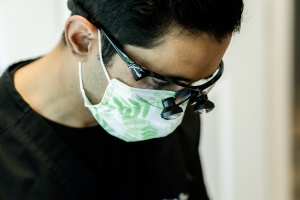
Why Discuss Dental Implants With Dr. Desai?
At Fishinger Dental, Dr. Desai wants patients to understand their options before committing to treatment. Our practice provides implant placement and restoration alongside general and preventive dental care, allowing you to receive care within one dental office.
You can also read patient reviews and view our case studies to learn more about patients’ experiences at our practice.
Schedule a Dental Implant Consultation in Hilliard
If you’re missing one or more teeth, a dental implant consultation can help you understand which replacement options are appropriate for your needs.
At Fishinger Dental, we’ll evaluate your oral health, examine your jawbone with a CBCT scan when appropriate, and discuss your treatment options. You’ll receive a personalized plan and cost estimate so you can decide without pressure.
Fishinger Dental is located at 3560 Fishinger Blvd, Hilliard, OH 43026. Call (614) 771-6060 or request an appointment online. We welcome patients from Hilliard, Dublin, Upper Arlington, Grove City, Westerville, and surrounding Central Ohio communities.
This article is for general information and isn’t a substitute for a dental examination or personalized medical advice.