



Crossbite, Underbite, or Overbite? A Hilliard Parent’s Guide to Spotting Malocclusions Early
Why Catching Bite Problems Early Makes All the Difference
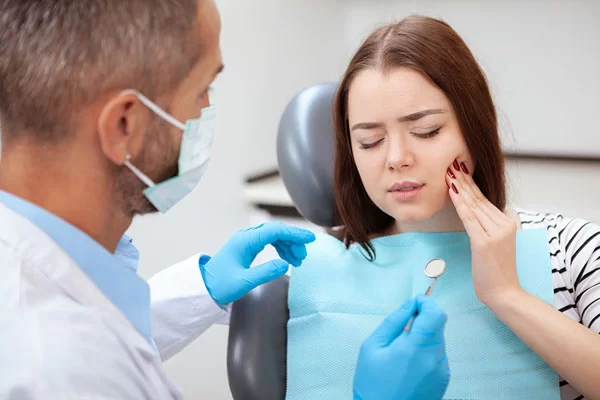
As a parent, it’s easy to assume that crooked teeth or an uneven bite are just something to “deal with later”—maybe when your child is a teenager and braces are already on the radar. But malocclusions, the dental term for misaligned teeth and jaws, are often easier to identify and treat long before adolescence.
At Fishinger Dental in Hilliard, OH, Dr. Nathan Desai and our team see families throughout Hilliard, Columbus, Dublin, Upper Arlington, Grove City, and Westerville, OH, who are often surprised to learn just how early orthodontic issues can be spotted and how much smoother treatment can go when it starts on time.
This guide breaks down the three most common malocclusions, such as crossbite, underbite, and overbite, along with the warning signs to watch for, why early evaluation matters, and what your family can expect from our Hilliard dental office. Call Fishinger Dental at (614) 771-6060 to schedule your orthodontic consultation with our Hilliard general dentist.
What Is a Malocclusion, Exactly?
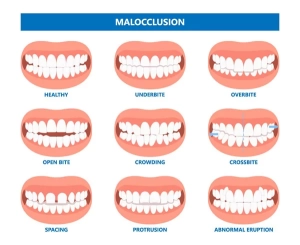
“Malocclusion” simply means the upper and lower teeth don’t align properly when the mouth closes. It’s an umbrella term that covers everything from a slightly crowded smile to a significant jaw misalignment. Malocclusions aren’t just a cosmetic concern—teeth that don’t fit together correctly are harder to keep clean, which raises the risk of tooth decay and gum disease over time. An uneven bite can also lead to abnormal tooth wear, jaw strain, and, in some cases, speech or chewing difficulties.
The good news is that most malocclusions fall into recognizable categories, which makes them easier for parents to spot at home between dental visits.
Types of Malocclusions
Overbite: When the Upper Teeth Extend Too Far Forward
An overbite occurs when the upper front teeth extend too far over the lower teeth. A small amount of overlap is normal and healthy—it’s only considered a malocclusion when the overlap becomes pronounced.
Signs to watch for:
- The upper teeth almost completely cover the lower teeth when your child bites down
- The lower jaw appears to recede or looks “tucked back”
- Your child’s lips don’t close comfortably over their teeth at rest
- Chewing seems effortful, or your child avoids certain foods
Left untreated, a significant overbite can increase the risk of chipped or worn front teeth, gum irritation from the lower teeth striking the roof of the mouth, and jaw joint discomfort later in life.
Underbite: When the Lower Teeth Sit in Front
An underbite is essentially the reverse of an overbite: the lower teeth and jaw extend out in front of the upper teeth. This is often more noticeable than an overbite because it changes the face’s profile, sometimes making the lower jaw appear more prominent.
Signs to watch for:
- The lower front teeth are visible in front of the upper teeth when your child’s mouth is closed
- Difficulty biting into foods like sandwiches or apples
- A jaw that appears to jut forward, especially when viewed from the side
- Uneven wear on the front teeth
Underbites tend to be more closely tied to jaw growth patterns, which is exactly why early evaluation matters. Catching skeletal growth issues while a child’s jaw is still developing gives orthodontists more tools to guide that growth, rather than waiting until growth has finished.
Crossbite: When the Bite Doesn’t Line Up Side to Side
A crossbite happens when the upper and lower teeth don’t align correctly when biting down—sometimes on one side of the mouth, sometimes involving several teeth. Unlike overbites and underbites, which are usually easy to see from the front, crossbites can be subtler and are sometimes only caught during a dental exam.
Signs to watch for:
- Your child’s jaw shifts noticeably to one side when they bite down or chew
- Teeth appear to sit inside or outside their normal position compared to the opposing teeth
- Uneven or asymmetrical wear on the teeth
- A visible shift or asymmetry in the jaw or face
Crossbites are worth taking seriously even when they seem minor, because an untreated crossbite can lead to uneven jaw growth over time, along with increased strain on the jaw joint.
Crowding and Gaps: The Other Common Malocclusions
While overbite, underbite, and crossbite tend to get the most attention, crowded teeth (too little space for teeth to align properly) and gapped teeth (too much space between teeth) are just as common and just as worth evaluating. Crowded teeth are notoriously difficult to clean thoroughly, which raises the risk of cavities and gum disease in hard-to-reach areas. Gaps, while sometimes purely cosmetic, can occasionally point to missing teeth or other developmental issues worth investigating.
When Should Your Child See an Orthodontist?
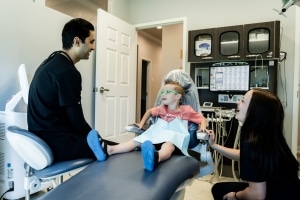
The American Association of Orthodontists recommends that every child have their first orthodontic evaluation by age 7, even if it seems too early for braces. At this age, a child still has a mix of baby and permanent teeth, which gives an experienced eye plenty of information about how the jaw is developing and whether any issues are emerging.
This doesn’t mean treatment starts at age 7. In many cases, an early evaluation simply confirms that everything is on track, and Dr. Desai will continue monitoring your child’s bite at their regular pediatric dentistry checkups. But for some children, early orthodontic treatment (sometimes called Phase 1 treatment) can guide jaw growth, create space for permanent teeth, or correct a crossbite while the jaw is still developing—often reducing the complexity of treatment down the road.
What Happens If a Malocclusion Goes Untreated?
It’s tempting to assume a bite issue is purely cosmetic, but untreated malocclusions can lead to a number of downstream problems:
- Higher risk of tooth decay and gum disease, since crowded or misaligned teeth are harder to brush and floss effectively
- Uneven tooth wear, which can shorten the lifespan of teeth and lead to more restorative dental work later
- Jaw strain and discomfort, particularly with more significant overbites, underbites, or crossbites
- Speech or chewing difficulties, especially with more pronounced bite misalignments
- More complex (and often longer) treatment later, since some issues become harder to correct once jaw growth is complete
Catching these issues early doesn’t just make treatment easier—it can also mean simpler, shorter treatment overall.
Treatment Options at Fishinger Dental
Once Dr. Desai has evaluated your child’s bite, he’ll walk you through the treatment path that fits best. Depending on the case, that might include:
- Traditional metal or ceramic braces, which remain the most reliable option for complex bite issues, significant crowding, or cases involving more than one type of malocclusion at once
- Invisalign clear aligners, a nearly invisible, removable option built with SmartTrack material—a popular choice for image-conscious teens and older kids who are good candidates for aligner treatment
- Early (Phase 1) interceptive treatment, used selectively in younger children to guide jaw development and simplify future treatment
- A retainer, which every orthodontic patient wears after active treatment to protect their results long-term
As a full-service Hilliard dentist office, Fishinger Dental is able to compare both braces and Invisalign side by side in one visit—no referrals or extra appointments needed to weigh your options.
Schedule Your Child’s Orthodontic Evaluation in Hilliard Today
If you’ve noticed any of the signs above or simply want the peace of mind of a professional evaluation, don’t wait for symptoms to become more obvious. Early detection is one of the simplest ways to keep your child’s future treatment shorter, simpler, and less stressful for the whole family. Dr. Nathan Desai and the team at Fishinger Dental are here to answer your questions and build a plan around your child’s smile, schedule, and budget.
Call (614) 771-6060 to schedule your child’s consultation at our Hilliard, OH dental office, conveniently serving families throughout Columbus, Dublin, Upper Arlington, Grove City, and Westerville, OH.